
In the world of drainage, it is all about structure. Similar to vertical construction, to withstand the test of time, structural integrity is required.
This is most often achieved using concrete and steel.
But did you know, when you use concrete structures combined with concrete pipe, the end result is one continuous underground structure. Think of the structural integrity that brings with it across the breadth of the system.
This is known as a rigid drainage pipe system as opposed to a flexible drainage system. What are the differences between those two? Rigid systems have structural integrity/support built into the product itself. Whereas flexible pipe systems require some type of external force or pressure. This helps to develop enough structural integrity to withstand a Live Load traversing the system. That external force can be achieved by using a concrete encasement with rebar in systems and we see that in Trench Drains and Slotted Drains.
But how do you achieve structural integrity in flexible pipe. That is indeed more difficult. Some states like Georgia require an aggregate stone encasement, up to one foot above the pipe be installed. In other states, suitable soils can be used “when properly “knifed” into the corrugations along the length of the pipe and then reaching 95% compaction of the backfill encasement.
In simple terms, the success of flexible pipe carrying the live load is directly related to the type of material selected and placement thereof within the backfill envelope. Material selection then becomes the single most important decision in developing a structurally strong backfill envelope.
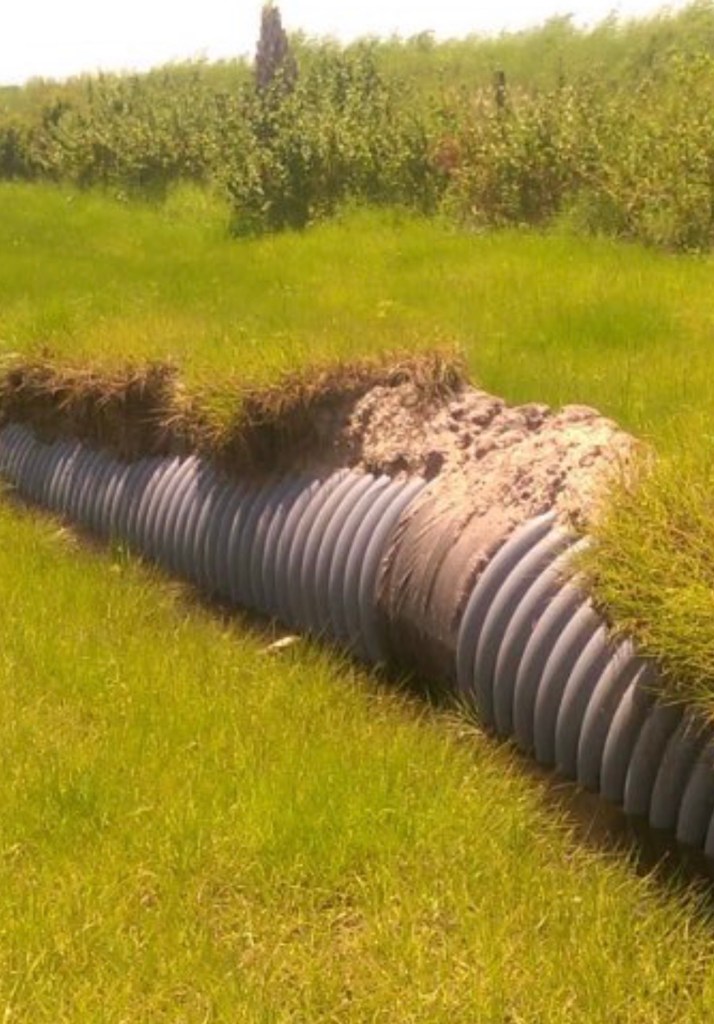
Structural Integrity Truly matters.
Reinforced Concrete Pipe has passed the test of time. Even so, we test our pipe to make certain it meets the critical criteria it is designed to. Assuring the end user that the structural integrity has been built into our product.
 Wayne Atkinson, Inc.